All About the Author
In his 1969 lecture at the Collège de France, entitled Qu’est-ce qu’un auteur?, Michel Foucault argued that the "author function" primarily expresses a form of ownership (Focault, 1969). Being the author of a project means being responsible for actions, decisions, triumphs, or failures. Authors, in fact, are recognized as such when they can be punished, that is, when they can be held accountable for their actions (Malfona 2021a, 241-249). As Foucault reports, in his De viris illustribus, St. Jerome identified criteria for recognizing and defining authorship: consistent value, conceptual coherence, and stylistic unity. From the characteristics highlighted by St. Jerome, it would seem that the evolution, maturation, influences, and contaminations to which an author is inevitably exposed during their formation must be leveled out. Today, the belief that an author has a well-defined identity seems insufficient to describe this figure who, on the contrary, expresses the contradictions of his or her time through his or her work. Consistency of style is no longer sought after as if it were a brand, and the author is no longer the unchallengeable individuality of the past. On the contrary, being an author today means being predisposed to discuss, reconsider, and modify the very condition of being an author from time to time.
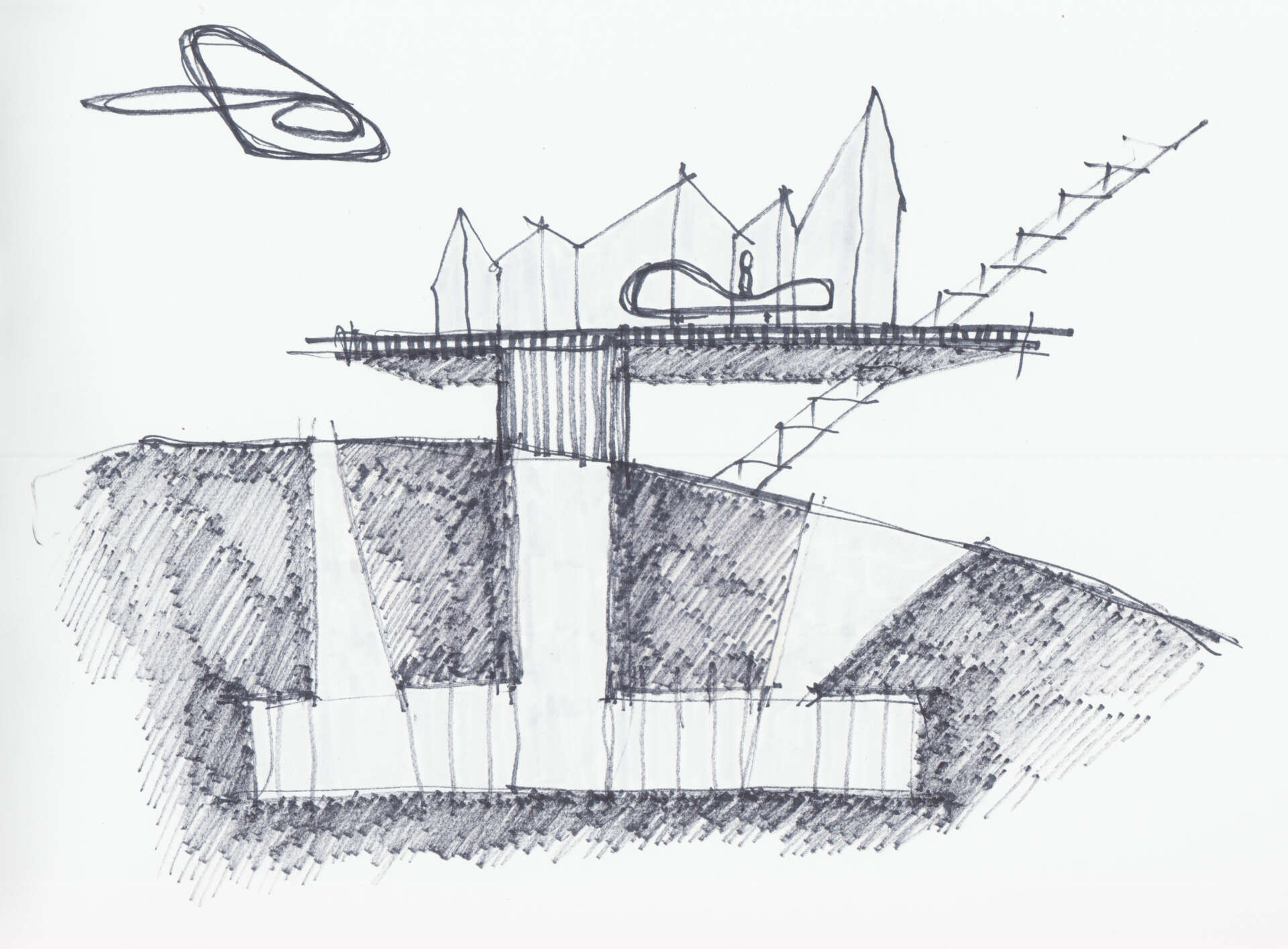
Figure 1: Lina Malfona, Study sketches for the “The city of the future present,” 2022
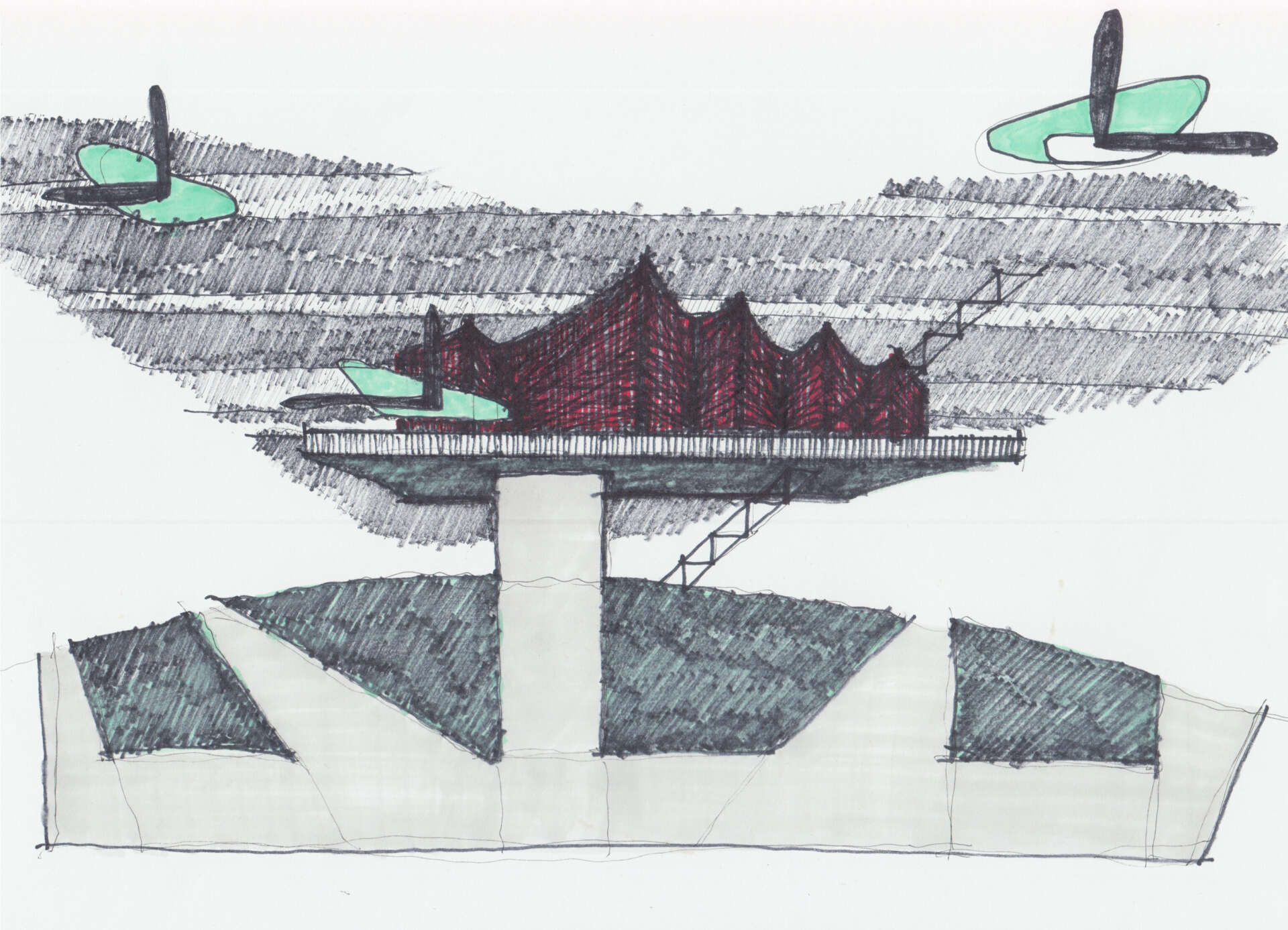
Figure 2: Lina Malfona, Study sketches for the “The city of the future present,” 2022
But if the author becomes an eclectic figure, no longer identifiable by his or her stylistic code, it will become difficult to certify the authorship of a work. Whereas in the past authorship was characterized by an immediate correspondence between author and work, today this correspondence has become blurred. Added to this change is the imminent dissolution of authorship itself, caused by generative artificial intelligence, which has ushered in the era of post-truth. Who will be able to say what is true and what is false? And who will be able to distinguish the authorship of a work? Perhaps only the sketch, which reveals the concept of the work but also the hand of the author, will be revealing. [ 1 ] [ 2 ] [ 3 ]
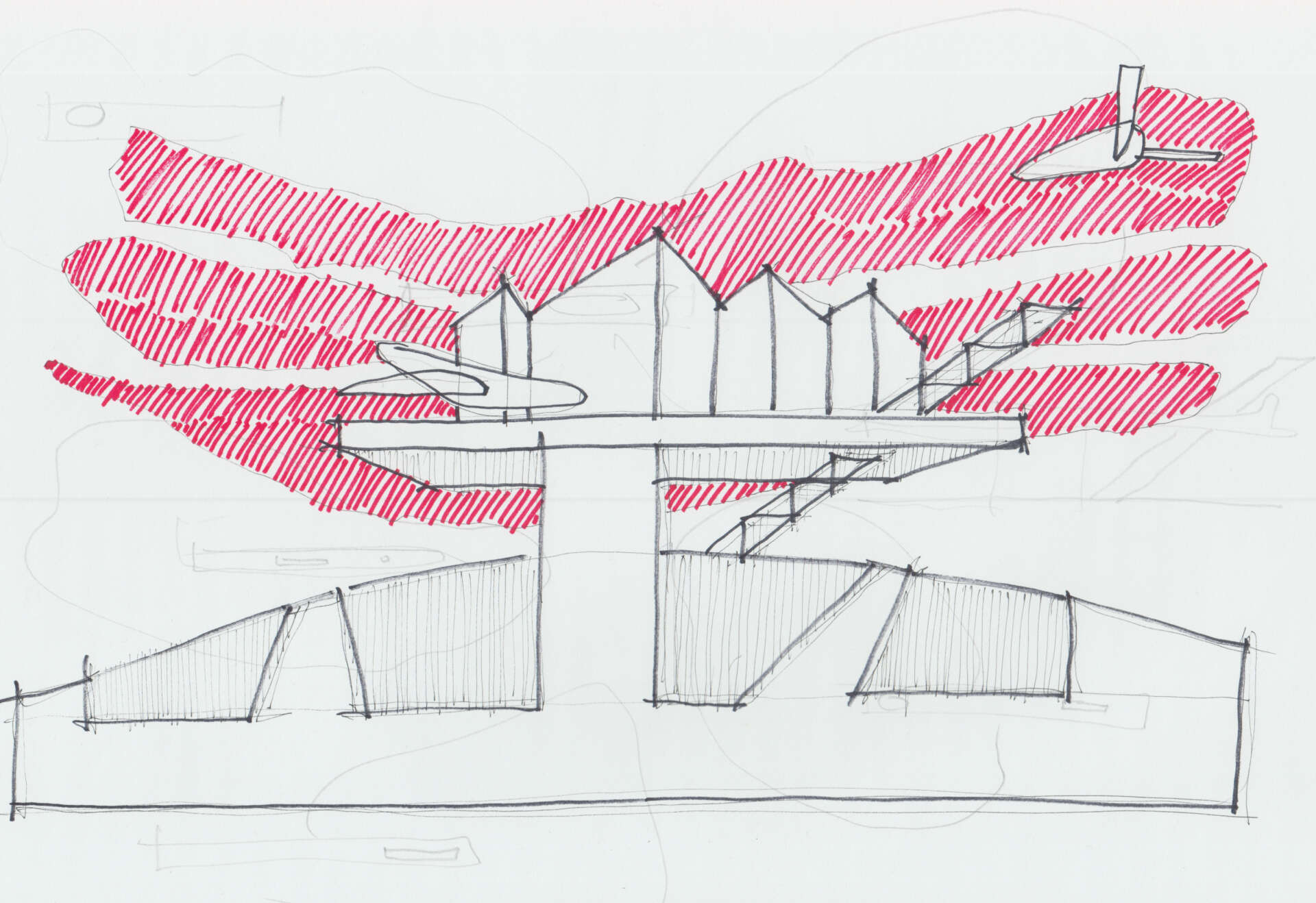
Figure 3: Lina Malfona, Study sketches for the “The city of the future present,” 2022
Authorship vs. agency
In the vision of Leon Battista Alberti, architect and intellectual, architecture is pure theoretical construction. Conceived by architects in their workshops as a sophisticated intellectual endeavor, architecture is the creation of a language, a form of writing. Construction, on the other hand, is a purely mechanical operation, devoid of any added value from an intellectual point of view. Alberti, indeed, used to refrain from practicing his craft, and therefore from visiting construction sites, which he delegated to others. Today, Alberti’s Manichean vision is perceived as an authoritarian drift that proposes a clear separation between auctor and artifex. In Alberti’s paradigm, in fact, the craftsman is deprived of his essential link with the work and is considered a mere executor, a mere labor force (Carpo 2023).
In recent years, the concept of authorship is criticized precisely because it is associated with the hegemonic role that authors have assumed in the past, from the abuses of star architects to those of so-called university "barons". Perhaps for these reasons, the concept of authorship has been replaced by that of agency, which is more open to the contribution of different skills in the process of creation, production, and communication1. A distinctive feature of contemporary agency is the metamorphic attitude that follows the need to respond to an ever-changing, evolving, and highly competitive demand, or the simple desire to gain consensus. In fact, if authorship is associated with the concept of consistency, agency is linked to the concept of strategy. The replacement of authorship with agency also corresponds to the substantial transition from a mannerist phase of research, dealing with language issues – which coincides with the aspiration to create a masterpiece – to an eclectic period, linked to the chameleon-like attitude that many architecture firms today end up favoring. They must equip themselves to adapt their work both to highly competitive commissions and to the stringent demands of an increasingly oppressive market.
According to critic Nicolas Bourriaud – author of the book Relational Aesthetics, which is now back in the spotlight thanks to an exhibition at the MAXXI Museum in Rome – art world focuses primarily on building possible relationships between distinct units and alliances between different partners (Bourriaud 2002, 45). And since this relational – and in some ways tactical – thinking is strongly influencing contemporary architects, one wonders whether an architect can still be considered a creator of forms or whether he or she has become instead a cynical and ruthless analyst, a shrewd networker, or a skilled negotiator...
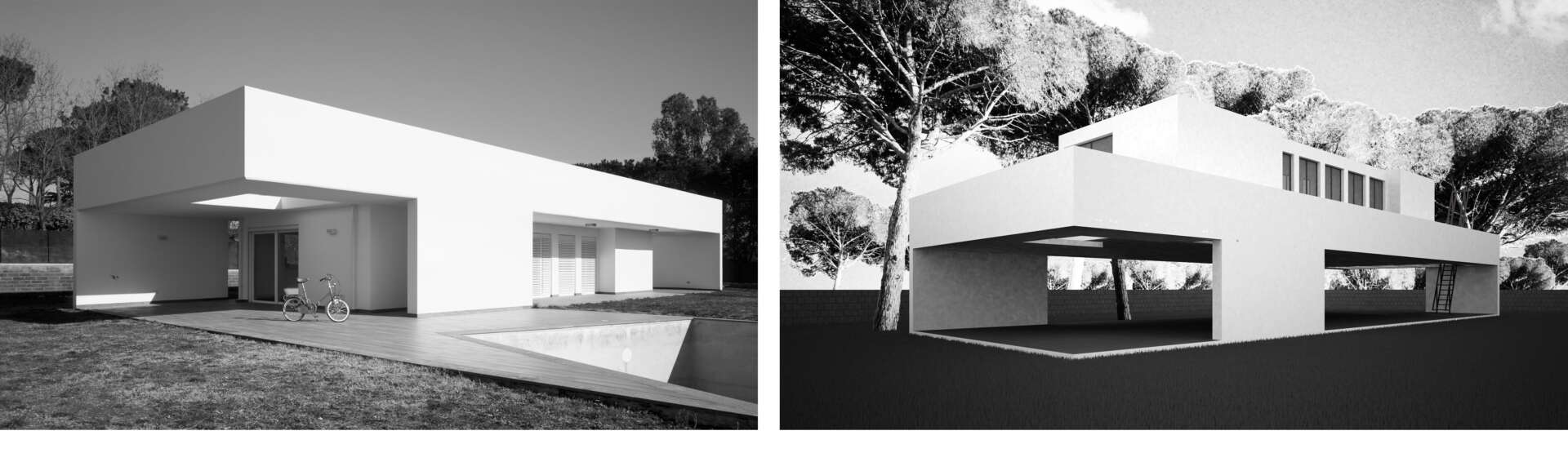
Figure 4: Malfona Petrini Architettura, Slot House, Formello, Roma 2012-17
Bourriaud highlights the current shift in interest from the purely formal aspects of artistic creation to processes, relationships, cultural transfers, and conditions of adaptation. But in his or her effort to embrace and investigate all these aspects, the author ends up becoming just one of many co-founders and co-creators of the creative, compositional, and constructive process. As a creator of new and different discourses, the author is no longer just a form-maker but also a creator of processes, a facilitator. Furthermore, the transition from a mannerist condition – entirely focused on the perfection of language – to a condition of adaptive indeterminacy risks transforming the architect into a know-it-all and the project into a social and political apparatus that indulges desires rather than directing them.
In this whirlwind of change, the definitive disappearance of the architect-demiurge has led to the rise of various figures – the historian, the anthropologist, the ethnologist, the sociologist – who have replaced the architect as producers of knowledge. Furthermore, in the era of the triumph of science and technology, the figure of the engineer has also replaced that of the architect as coordinator of processes. The engineer is, in fact, a specialist with a wide range of skills and training that has proven to be more solid than that of the architect. In our time, engineers are proving increasingly capable of understanding the complexity of phenomena and building relationships between them, as demonstrated by the work of engineer-architects such as Carlo Ratti and Lydia Kallipoliti. Architects, on the other hand, risk becoming generalists, figures who limit themselves to safeguarding the sacred gift of creativity, but who use it in a ritualistic or unorthodox way...
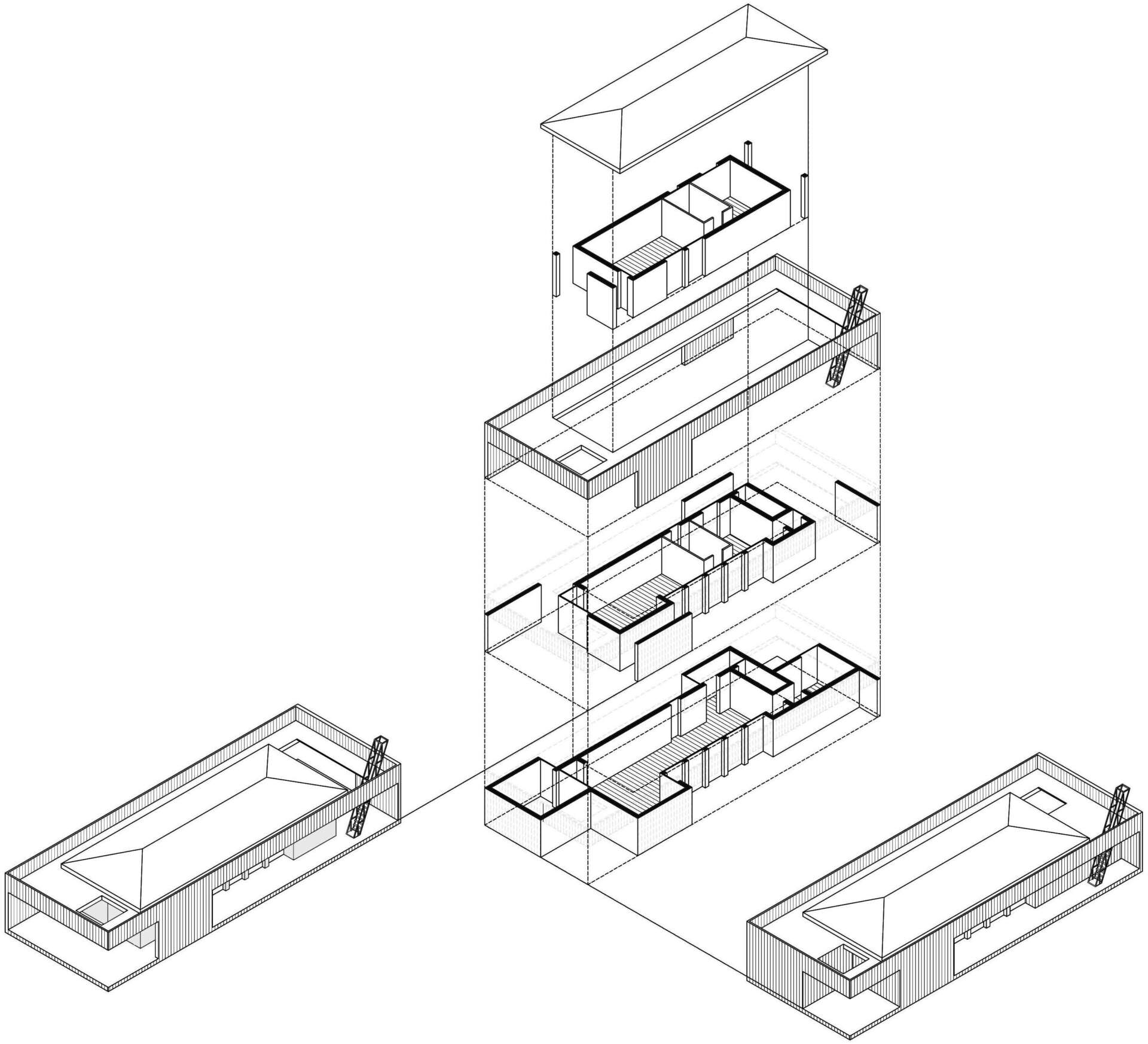
Figure 5: Malfona Petrini Architettura, Slot House, Formello, Roma 2012-17
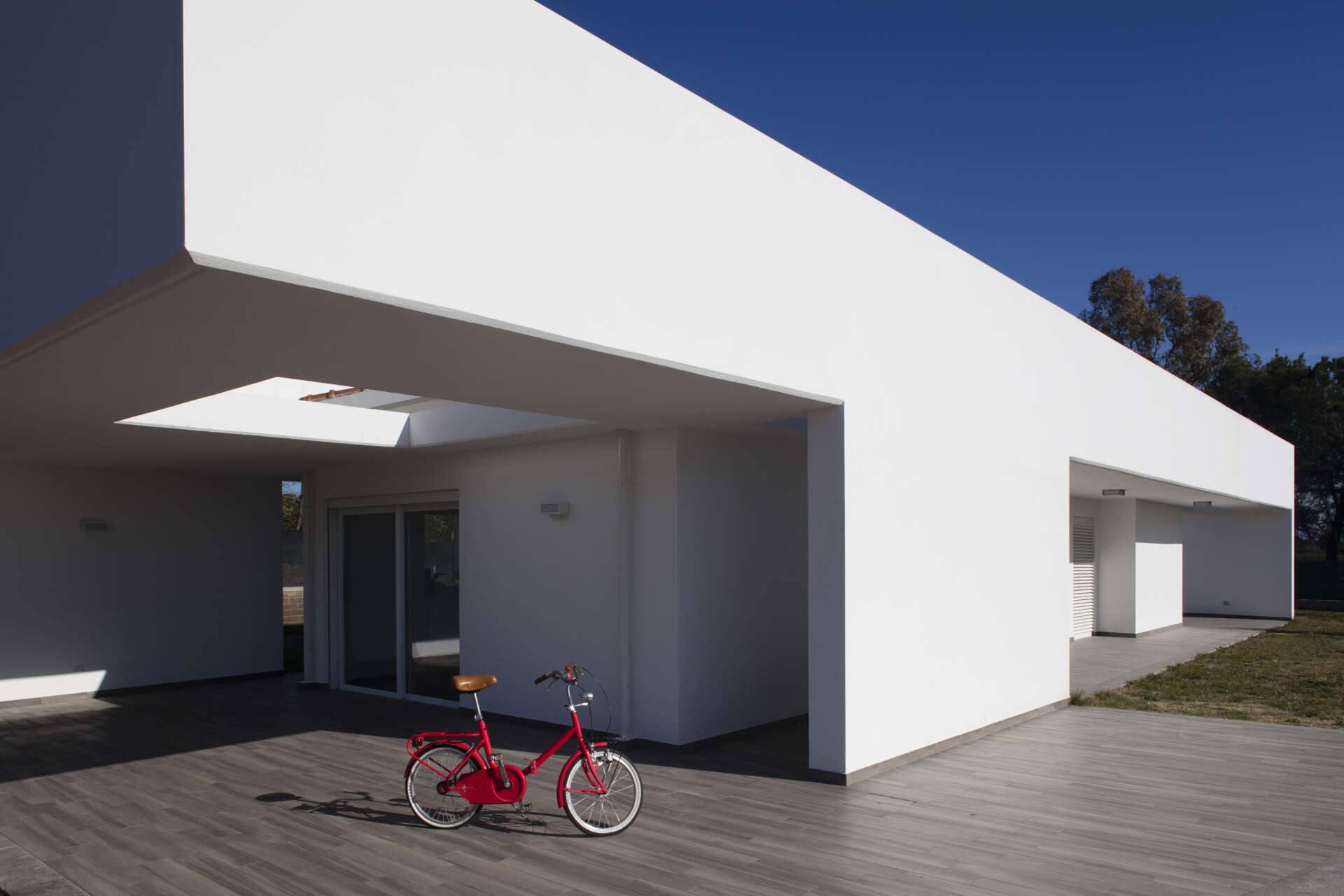
Figure 6: Malfona Petrini Architettura, Slot House, Formello, Roma 2012-17
In recent years, attempts have been made to mend the relationship between the author and all those involved in the project by renewing the critical tools that allow us to reconsider these relationships. The authorial model, in fact, implies civil responsibility and stimulates the creation of a strong synergy between authors, executors, and users, a relationship in which, however, the role of the architect is never secondary. Authorship refers to the crystallization of the designer's political and social action in architectural form, an effort that allows only a glimpse of the author’s hand (Malfona 2021b). [ 4 ] [ 5 ] [ 6 ]
Critique vs. curatorship
It would be pointless to talk about authorship without questioning the role played by architectural criticism today. It is now clear indeed that professional critics no longer work to identify research trends that link the work of architects, seeking similarities rather than divisions. To be more explicit, critics have abandoned authors, whose work has ended up in the hands of curators who, in most cases, do not have all the tools to understand it. Suffice it to say that only a very few critics construct comprehensive and detailed histories of architecture, such as the great maps of knowledge to which historians, critics and intellectuals such as Jean-Louis Cohen, Kenneth Frampton, Manfredo Tafuri, and Bruno Zevi had accustomed us. Our time, it is often said, is not characterized by architectural trends but by individuality and micro-histories that are impossible to completely cover, given their scope. For this reason, authors are left to their own devices, very often driven to write about their own work to promote themselves on social media and digital platforms... The interpretation of the contemporary age as characterized by the singularity of languages is not convincing. What is missing is the figure of the critic as author, a figure capable of identifying emerging trends and discussing them constantly with authors, stimulating cultural debate.
More than ten years ago, I began to reflect on the situation of architectural criticism in Italy, a topic I addressed in a series of articles (Malfona 2011; 2015), some of which explored the reflections that arose following the conference Criticism Today, conceived by Franco Purini and held at the Accademia Nazionale di San Luca in Rome and at the Triennale di Milano in 2014 (De Albertis et al 2014). At the time, the crisis of criticism was beginning to emerge as a concern. The question I asked myself then was: what is the role of criticism today? Is it to map or to investigate? Is it to describe or to continue to probe and dissect the work of art? During the twentieth century, various critical approaches emerged. Charles Baudelaire, in his essay A quoi bon la critique?, wrote that criticism is partial, passionate, and political. Along the same lines, Luigi Russo, founder of the literary magazine Belfagor, argued that good criticism is always militant. With great insight, Luciano Anceschi, founder of the magazine Il Verri, described the activity of the critic in these terms:
Our approach in any case is to continuously rummage through things, even the smallest ones – and some would say even through the fragments of rubble – to question them, uncover them, search for their meaning, to free the words that a silence full of noise and disturbance has concealed – and then find the most suitable and flexible terms for a new, more comprehensive and complex semantics in a new possibility of communication. (De Angelis 1983, 9; English translation by the author)
This is a way of analyzing the work based on facts, through a practice that is investigative in some ways: the critic puts the pieces together, attempts to make deductions, is neither passionate nor partial, but merely weaves the threads together. This latter type of criticism can be represented as a piercing gaze, which passes through the material of the work, probing it section by section. Today, however, a different critical position is emerging, that of those who adopt a diagonal gaze, which passes around the object of investigation or observes it from a distance, making assessments that also involve the surrounding conditions, from the backstage of the work to its mechanisms of consumption and dissemination. This type of criticism considers the work of architecture as a dynamic and constantly changing discourse, not as an object but as a phenomenon to be examined throughout the entire period of time from its creation to the effects it produces.
As can be easily understood, it is very difficult for this type of criticism to deal exclusively with the work of architecture as the result of an authorial creative process. In other words, this latter critical approach – which is the most widely used today – tends to bypass questions of language. It is no coincidence that the very concept of authorship – which is closely connected to an author’s specific language, to his or her maniera – is generally opposed or avoided.
Twilight of criticism, rise of reflective practice
A few years ago, I revisited the field of study on architectural critique, organizing a conference at the University of Pisa and a lecture series at the MAXXI Museum in Rome, initiatives known as The Future or Eclipse of Criticism (Malfona et al. 2025). I resumed my thoughts on the decline of professional criticism, which has abdicated history, curatorial practices, and architectural journalism, inevitably producing the figure of the architect as communicator, critic, and self-promoter, the Koolhaas model. Being a form of writing, criticism is an eminently authorial practice: the critic differs from the curator precisely because he or she is, first and foremost, an author. For this reason, it is quite obvious that many architects have become critics of their own work; after all, even T. S. Eliot considered criticism by architects to be the most reasoned, acute, and vital.
With regard to the decline of the professional critic and the identification between critic and author, it is interesting to reconsider the brilliant text The Critic as Artist, written by Oscar Wilde in 1890 in the form of a dialogue between two characters, Ernst and Gilbert, set in a house in Piccadilly (Wilde 1890). From the outset, it is clear that one of the two characters supports the primacy of art, while the other supports that of criticism. Without critical faculties, there can be no artistic creation, argues Gilbert, as it is criticism that legitimizes the work, and this requires infinitely greater culture than creation (Wilde 1890, 53). “More difficult to do a thing than to talk about it?”, asks Gilbert. “Not at all. That is a gross popular error. It is very much more difficult to talk about a thing than to do it. In the sphere of actual life that is of course obvious. Anybody can make history. Only a great man can write it” (Wilde 1890, 55). Based on these statements, the critic can be considered an author, like the architect and the artist. But immediately afterwards, Wilde paradoxically goes on to argue that art is actually at the service of criticism, i.e. that criticism occupies a higher position than creation. His plea for the cause, which places criticism on a higher level than the work of art itself, is intended to emphasize that the critical text is also a work of art, in that it is characterized by refinement and passion.
Many years later, Roland Barthes explained that modernist poets – starting with Mallarmé – had already demonstrated the unification between poetry and criticism and that literature itself was a critique of language. “The writer and the critic come together, working on the same difficult tasks and faced with the same object: language”, Barthes wrote (Barthes 2022, 42). His conclusion is that the categories of literature and criticism can no longer be separated and that now there are only writers (Barthes 2022, 99). In fact, the critic creates another work, breaks down the world and recreates it:
The critic cannot claim to “translate” the work, and particularly not to make it clearer, for nothing is clearer than the work. What the critic can do is to “engender” a certain meaning by deriving it from the form which is the work. […] The critic separates meanings, he causes a second language – that is to say, a coherence of signs – to float above the first language of the work. In brief, we are concerned with a kind of anamorphosis, […] a guided transformation, subject to optical constraints. (Barthes 2022, 53)
Oscar Wilde’s dialogue ends with the question: “What is the future of criticism?” Gilbert replies that the future belongs to criticism, and if creation is to endure, it can only do so on condition that it becomes much more critical than it is at present. This response prompts us to reflect on our own times and on how reflective practice is emerging as a specific critical trend, developed by architects who are accustomed to getting their shoes dirty on construction sites but who are also capable of engaging in sophisticated discourse about their own work.
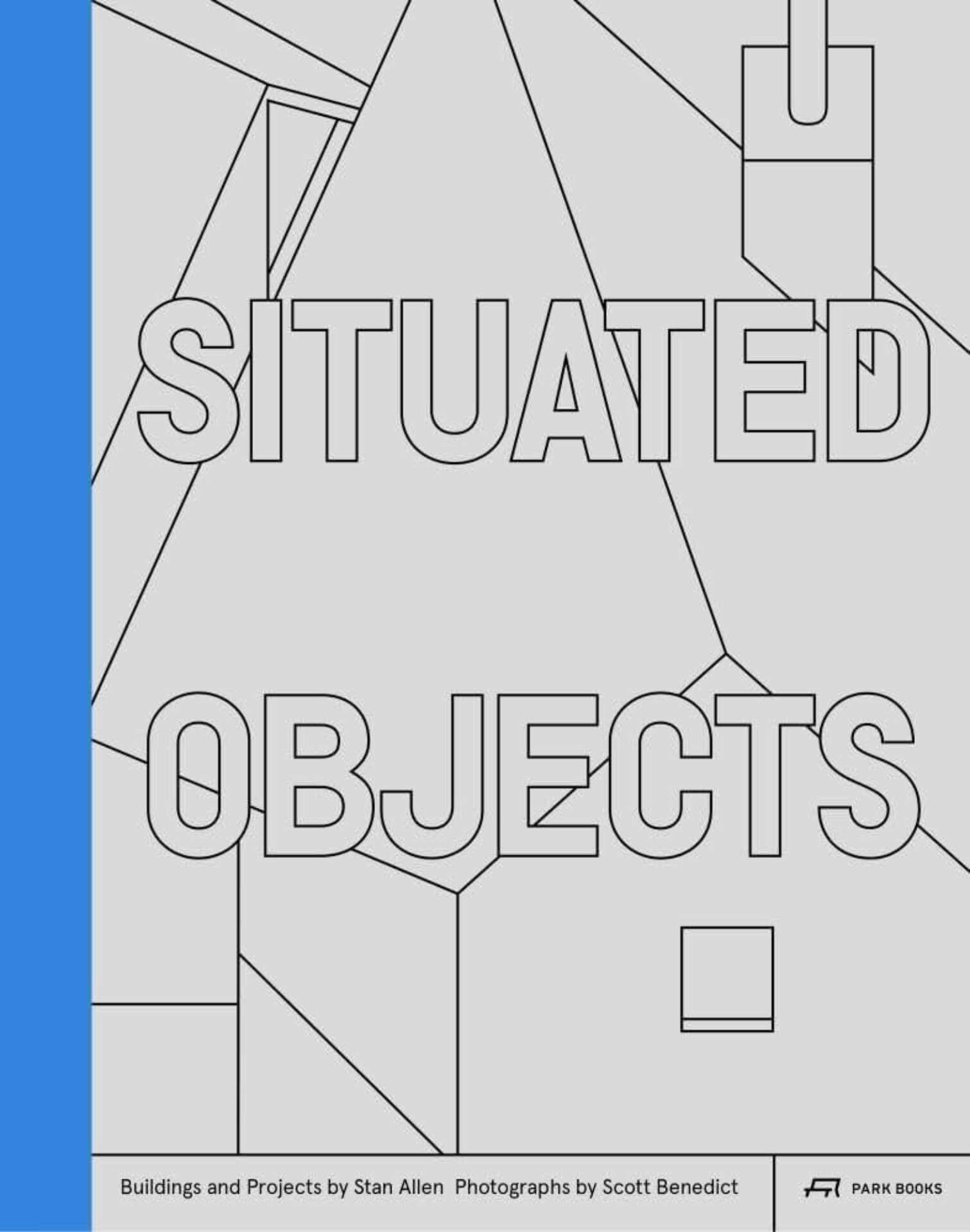
Figure 7: Stan Allen, Situated Objects (Park Books, 2024); Michael Meredith, Smaller Architecture (Architecture Exchange 2025); Mark Lee, Five Footnotes Toward an Architecture (Sternberg Press 2026).
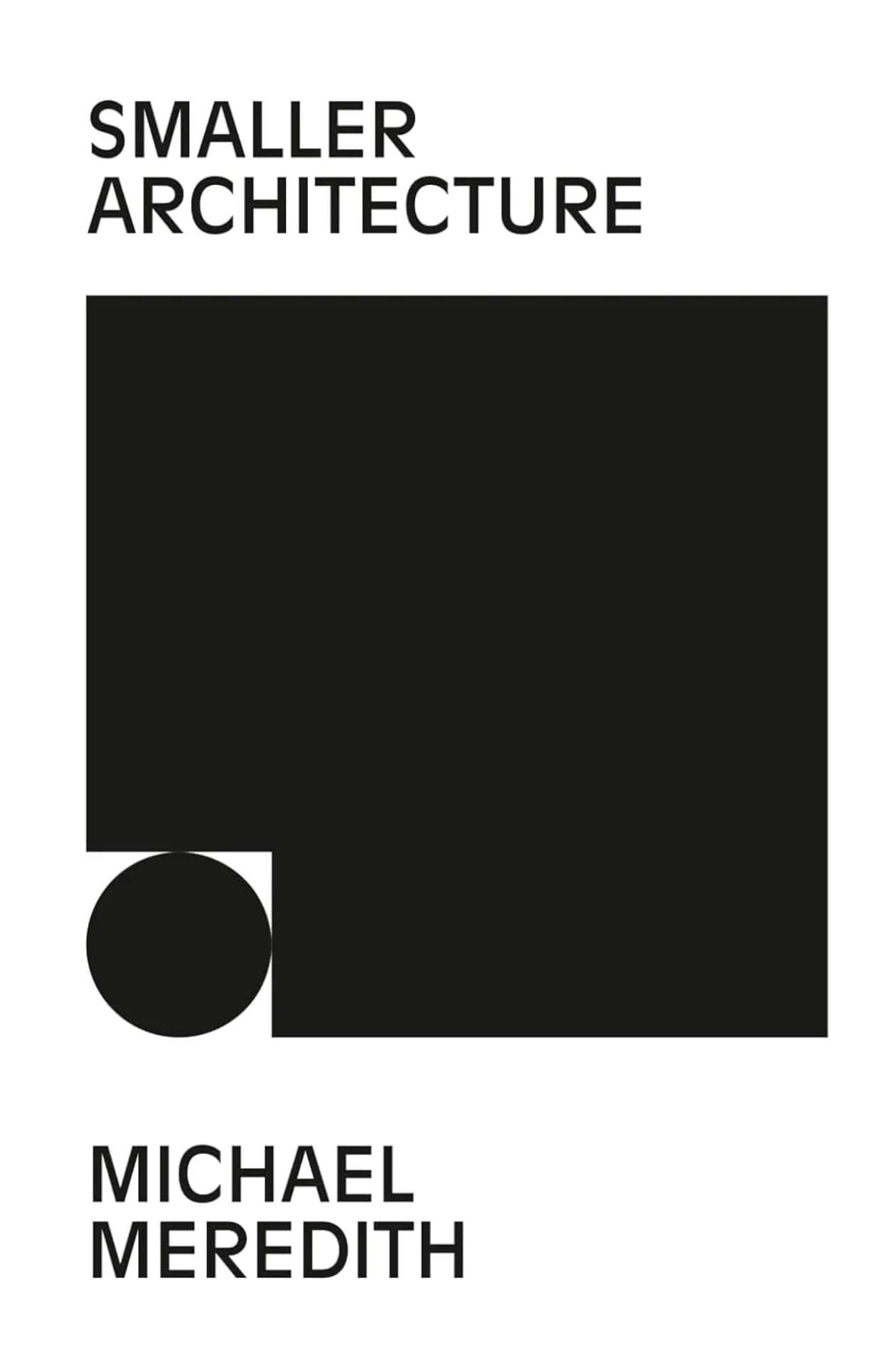
Figure 8: Stan Allen, Situated Objects (Park Books, 2024); Michael Meredith, Smaller Architecture (Architecture Exchange 2025); Mark Lee, Five Footnotes Toward an Architecture (Sternberg Press 2026).
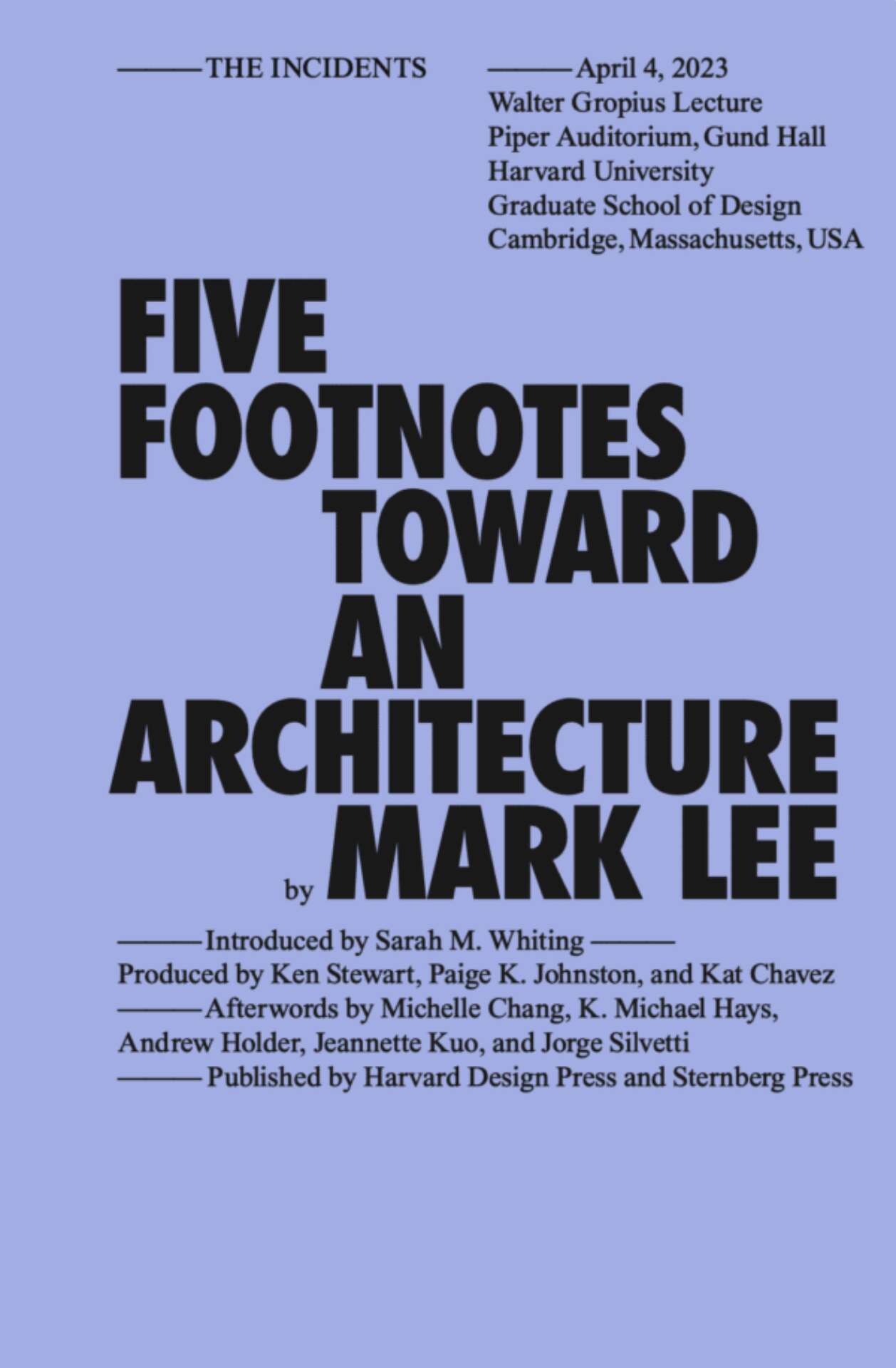
Figure 9: Stan Allen, Situated Objects (Park Books, 2024); Michael Meredith, Smaller Architecture (Architecture Exchange 2025); Mark Lee, Five Footnotes Toward an Architecture (Sternberg Press 2026).
Today, a number of architects are dedicated to the practice of architecture as a work of intellect. Although the expression “intellectual architect” may now be out of fashion, there are still architects who operate between the practice of doing and the elaboration of a personal design philosophy, within a perspective in which history, theory, and criticism are intertwined (Malfona 2025). While Robert Venturi has repeatedly intersected his work (and his authorship) as a designer with his work as a historian and critic, Rem Koolhaas tends to separate his work as a critic and ruthless analyst from that of an architect. In both cases, however, their work emerges as a reflective practice. Even Valerio Olgiati and Franco Purini (Studio Purini Thermes) write about their design philosophy, and many (more or less) young architects publish monographs on their work, aimed at illustrating a specific critical point of view or a particular design philosophy – think about the recent books by Stan Allen (Allen 2024), Michael Meredith-MOS (Meredith 2025), and Mark Lee-JohnstonMarklee (Mark Lee 2026). In this regard, it is significant that when Manfredo Tafuri declared that he wanted to abandon criticism for history, he wrote that criticism should be left to designers, as they are more expert in the “empirical science of design methods” (Tafuri 1968, 272). [ 7 ] [ 8 ] [ 9 ]
To draw a tentative conclusion, I believe that the growing popularity of reflective practices – although it is a reaction to the disappearance of critics – once again underscores the fundamental importance of writing, language, and authorship, clearly demonstrating that writing issues cannot be buried under the more pressing problems of our time, because every critical issue is essentially a matter of writing.
- Watch Robert Somol’s speech at the symposium The Future or the Eclipse of Criticism, Università di Pisa, April 4, 2023, curated by Lina Malfona, https://polittico.unipi.it/event/symposium-the-future-or-the-eclipse-of-criticism (accessed October 27, 2025).
Literature
Allen, Stan. 2024. Situated Objects. Zurich: Park Books.
Barthes, Roland. 2022. Critica e verità (I ed. Critique et verité, 1966). Turin: Einaudi.
Bourriaud, Nicolas. 2002. Relational Esthetics. Dijon: Les presses du réel.
Carpo, Mario. 2023. Beyond Digital: Design and Automation at the End of Modernity. Cambridge MA-London: The MIT Press.
De Albertis, Claudio, Francesco Moschini, Franco Purini, eds. 2014. La Critica Oggi. Rome: Gangemi.
De Angelis, Valentina, ed. 1983. Luciano Anceschi: Prospettive e sviluppi della nuova fenomenologia critica. Bologna: CLUEB.
Foucault, Michel. 1998 (1969). “What Is an Author?” In Aesthetics, Method, and Epistemology, Essential Works of Michel Foucault 1954-1984, vol. 2, edited by J. D. Faubion. New York: The New Press.
Lee, Mark. 2026. Five Footnotes Toward an Architecture. London: Sternberg Press.
Malfona, Lina. 2011. “La Critica in Rete.” Rassegna di Architettura e Urbanistica 133, pp. 94-107.
Malfona, Lina. 2015. “Critical Distances | Distances critiques.” ESSE Arts + Opinions 85, pp. 22-29.
Malfona, Lina. 2021a. “Meet The Author: Le anamorfosi dell’autore nel dibattito tra teoria e progetto.” In Teorie dell’architettura: Affresco Italiano, edited by S. Marini, 241-249. Macerata: Quodlibet.
Malfona, Lina. 2021b. Residentialism. A Suburban Archipelago. Barcelona-New York: ACTAR.
Malfona, Lina, Lucia Giorgetti, Cecilia Marcheschi, and Elisa Barsanti, eds. 2025. Future or Eclipse of Criticism. Barcelona-New York: Actar.
Malfona, Lina. 2025. The Mannerist Phase in Architecture: On Early Style. Abingdon-Oxon: Routledge.
Meredith, Michael. 2025. Smaller Architecture. Christiansburg: Architecture Exchange.
Tafuri, Manfredo. 1968. Teorie e storia dell’architettura. Bari: Edizioni Laterza.
Wilde, Oscar. 1890. "The Critic as Artist." In Intentions. New York: Simon and Schuster.